Course Summary
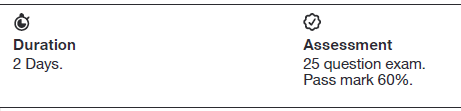
This two-day course gives you a full understanding of the general principles of the BRCGS Food Safety Standard Issue 9, along with the practical knowledge to implement its requirements on your site. You will discuss the activities that build a culture of ongoing compliance. You will also learn what to expect from certification, including the actions needed before, during and after your audit. Case study-based activities encourage critical thinking and show how sites put the standard into practice. The course closes with a 25-question exam (60% pass mark).
This two-day, instructor-led course counts toward the BRCGS Professional program.
Key Learning Objectives
- Explain what is required to comply with the requirements of Issue 9
- Describe the scope of companies and products covered by the standard
- Describe what to expect from your BRCGS audit
- Prepare for an audit against the standard
- Use the BRCGS resource tools available for compliance and support, and know how to report issues
- Understand the BRCGS Certification Integrity program
Who should attend
- Technical managers and personnel, in manufacturing and retail
- Quality managers and personnel
- Operations managers
- Internal audit personnel
- Importers and exporters of food products
- Foodservice staff
- Industry consultants
Pre-requisites
- Working knowledge of HACCP. Looking for HACCP training? Explore our HACCP courses.
- Read the BRCGS Food Safety Standard Issue 9 before the course. Download a free copy from BRCGS.
Program Outline
- Welcome and Introduction
- Scope and Format of the standard
- Requirements of the standard
- Requirements of the standard
- Audit Protocol
- BRCGS compliance and support
- Course Exam
Instructor Credentials
This training course is delivered by experienced BRCGS ‘approved training partners’ (ATPs).
This is our lovely team of trainers.

Assessment
- 25 question exam
- Pass mark 60%
- 3 attempts allowed
Let's strengthen your food safety, together
Partner with experienced consultants, auditors, and trainers to strengthen your systems, protect your brand, and build a food safety culture that lasts.